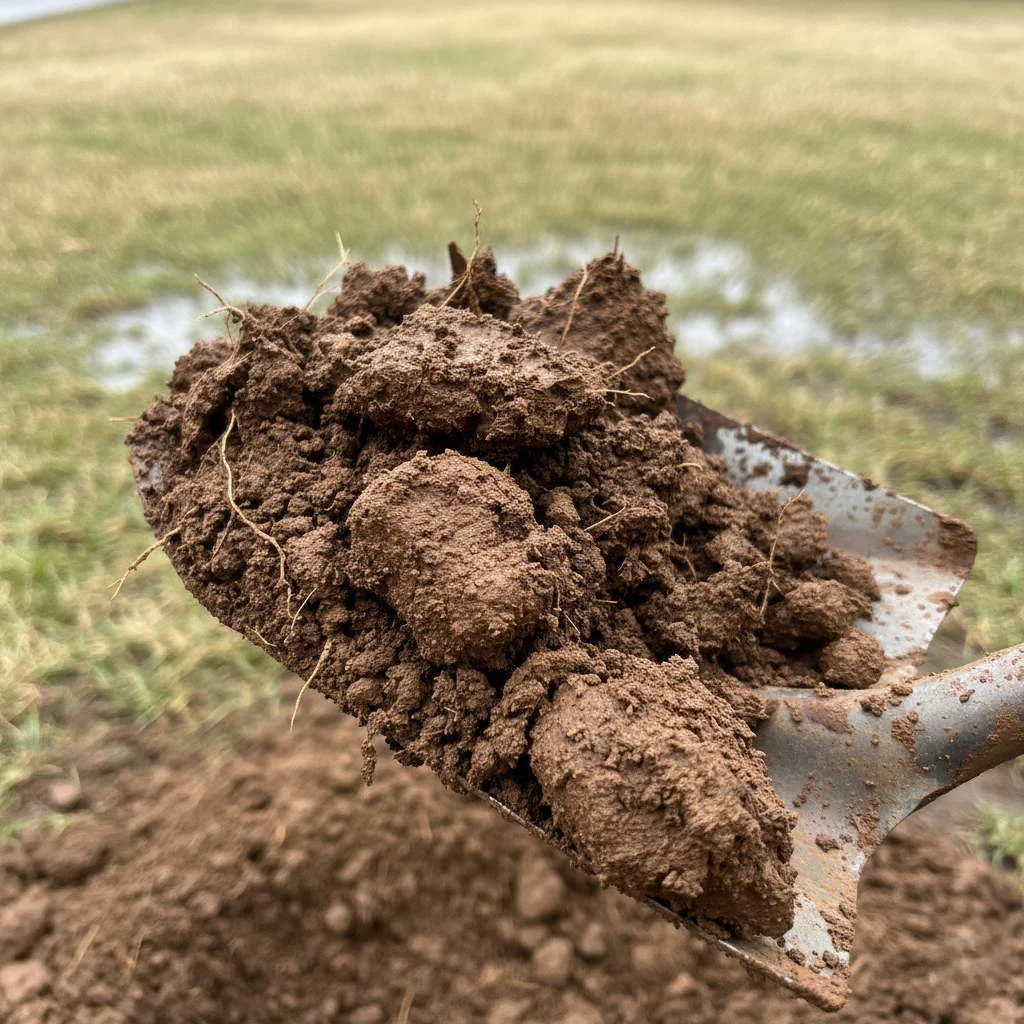
Memphis homeowners deal with some of the most challenging soil conditions in the country. Our expansive clay soil creates unique drainage problems that can cause thousands of dollars in foundation damage if not properly managed.
Understanding why Memphis clay soil is so problematic—and what you can do about it—is essential for protecting your home and maintaining your property value.
Critical Fact: Memphis clay soil can expand up to 30% when saturated with water and shrink dramatically during dry periods. This constant movement puts enormous stress on foundations and structures.
Understanding Memphis Clay Soil Composition

Memphis sits on what geologists call "expansive clay soil"—a specific type of clay that contains minerals like smectite and montmorillonite. These minerals give Memphis clay its characteristic behavior of dramatic expansion and contraction.
The Science Behind Memphis Clay
Key Characteristics of Memphis Clay Soil:
- • Particle size: Clay particles are less than 0.002mm—incredibly tiny
- • High plasticity: Can be molded when wet, becomes rock-hard when dry
- • Low permeability: Water moves through clay extremely slowly
- • High water retention: Clay holds moisture for extended periods
- • Expansive minerals: Specific clay types that swell when hydrated
This unique composition means that Memphis clay soil behaves differently from the sandy or loamy soils found in other regions. Water doesn't simply drain away—it gets trapped, causing the soil to swell and putting pressure on everything in contact with it.
The Destructive Expansion-Contraction Cycle
Memphis clay soil goes through a continuous cycle of expansion and contraction that creates ongoing stress on your home's foundation and structures.
🌧️ Wet Season (Expansion Phase)
- • Clay absorbs water and expands up to 30%
- • Soil pushes against foundation walls
- • Hydrostatic pressure builds around structures
- • Basement walls may bow or crack inward
- • Surface becomes soft and muddy
- • Poor drainage compounds the problem
☀️ Dry Season (Contraction Phase)
- • Clay loses moisture and shrinks dramatically
- • Large cracks form in soil (desiccation cracks)
- • Foundation loses support as soil pulls away
- • Structures may settle into voids
- • Surface becomes hard and impermeable
- • Sets stage for next wet season problems
The Memphis Weather Factor
Memphis weather patterns make clay soil problems worse. We experience heavy spring rains followed by hot, dry summers. This creates extreme expansion-contraction cycles that stress foundations beyond their design limits.
How Memphis Clay Soil Creates Drainage Problems
Clay soil's low permeability means water doesn't drain naturally. Instead, it sits on the surface or moves laterally, creating multiple problems for homeowners.
Surface Drainage Issues
🌊 Standing Water
Clay's impermeability causes water to pool on the surface instead of soaking in. This creates mosquito breeding grounds and kills grass and plants.
💧 Runoff Problems
Water runs off clay surfaces quickly, causing erosion in some areas while leaving others waterlogged. This uneven drainage damages landscaping.
🏠 Foundation Saturation
Water that can't drain away collects around foundations, creating the perfect conditions for basement flooding and structural damage.
Subsurface Drainage Challenges
Even below ground, Memphis clay soil creates drainage problems:
- Water moves horizontally instead of vertically through clay layers
- Clay acts as a barrier, trapping water above impermeable layers
- Seasonal water table fluctuations affect basement moisture
- Poor soil drainage prevents foundation footings from drying out
- Hydrostatic pressure builds against basement walls
Foundation Damage from Memphis Clay Soil
The combination of expansive clay soil and poor drainage creates the perfect storm for foundation problems. Understanding these risks helps homeowners take preventive action.
Structural Movement
- • Foundation settling
- • Wall cracking
- • Uneven floors
- • Doors/windows sticking
- • Basement wall bowing
Water Intrusion
- • Basement flooding
- • Saturated soil at the slab edge
- • Foundation seepage
- • Mold and mildew
- • Structural deterioration
Long-term Costs
- • Foundation repair ($10,000+)
- • Perimeter drainage ($5,000+)
- • Mold remediation ($3,000+)
- • Structural repairs (varies)
- • Decreased property value
Real Memphis Foundation Repair Costs (2025)
Local foundation repair contractors report these average costs for clay soil-related damage:
- • Minor crack repair: $500-$1,500
- • Foundation underpinning: $15,000-$30,000
- • Basement wall stabilization: $8,000-$15,000
- • Complete foundation replacement: $40,000-$80,000
Why Standard Drainage Solutions Don't Work in Memphis
Many drainage solutions that work in other regions fail in Memphis because they weren't designed for expansive clay soil conditions.
Common Drainage Failures in Clay Soil
Simple Grading and Gutters
Clay soil doesn't absorb water, so surface grading only moves the problem to another location.
Basic Downspout Extensions
Moving water 6 feet from the foundation isn't enough when clay soil prevents absorption.
Shallow DIY Drains
Clay soil clogs shallow drainage systems quickly, making them ineffective within months.
Generic French Drains
Standard French drains fail in clay soil without proper design and installation techniques.
Effective Drainage Solutions for Memphis Clay Soil
Successful drainage in Memphis requires specialized systems designed specifically for expansive clay soil conditions.
Professional French Drain Systems
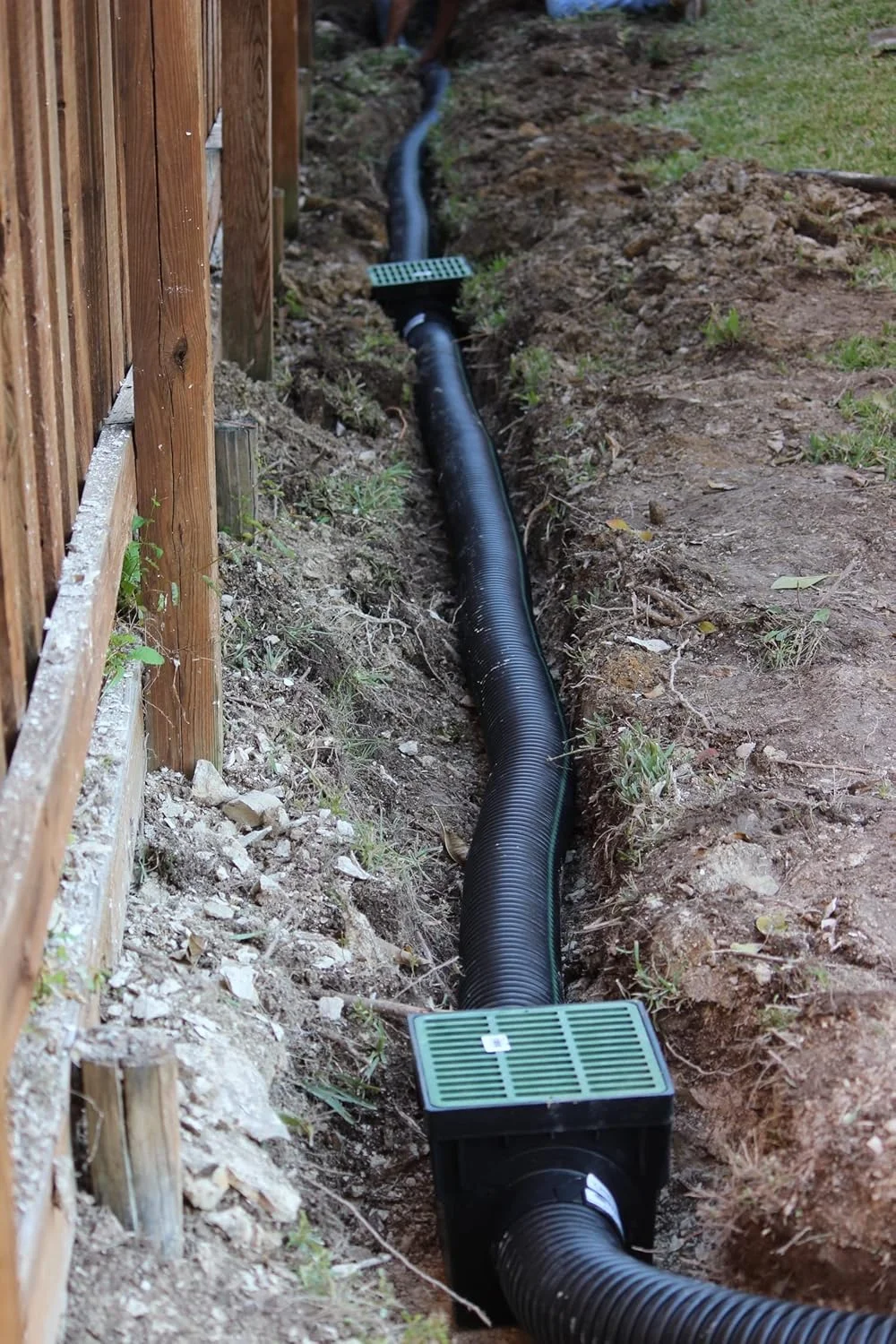
Memphis-Specific French Drain Design
- • Deeper excavation: Below clay layers to reach permeable soil
- • Larger pipe diameter: Handles greater water volumes from clay runoff
- • Premium gravel: Resists clay migration and maintains drainage
- • Geotextile fabric: Prevents clay particles from clogging the system
- • Positive outlets: Connects to storm drains or daylight outlets
- • Slope optimization: Designed for clay soil expansion/contraction
Foundation Drainage Systems
Protecting foundations from clay soil requires comprehensive drainage around the building perimeter:
- Exterior foundation drains installed below footing level
- Drainage composite board resistant to clay soil pressure
- Interior drainage systems for existing basement moisture problems
- Sump pump systems sized for Memphis clay soil conditions
- Backup drainage during clay soil expansion events
Surface Water Management
Catch Basin Systems
Strategic placement of catch basins collects surface water before it can pool on clay soil surfaces.
Channel Drains
Linear drainage systems manage large volumes of runoff from clay soil surfaces.
Permeable Hardscaping
Specialized materials allow water infiltration even over clay soil substrates.
Bioretention Areas
Engineered gardens with drainage amendments handle clay soil runoff naturally.
Prevention and Maintenance for Clay Soil Properties
Living with Memphis clay soil requires ongoing attention to drainage and moisture management.
Year-Round Maintenance
Monitor Foundation Moisture
Check the soil moisture around the foundation regularly. Clay soil can cause rapid moisture changes.
Maintain Consistent Soil Moisture
Avoid extreme wet-dry cycles by providing consistent irrigation during dry periods.
Clean Drainage Systems
Clay particles can quickly clog drainage systems. Regular cleaning maintains effectiveness.
Watch for Foundation Movement
Document any new cracks or changes in existing foundation issues.
Professional Inspection Schedule
Memphis clay soil conditions require more frequent professional attention than other soil types:
- • Drainage system inspection: Annually
- • Foundation assessment: Every 2-3 years
- • Moisture monitoring: Seasonally
- • After major weather events: Within 30 days
Cost-Benefit Analysis: Drainage Investment vs. Foundation Repair
The cost of professional drainage systems pales in comparison to foundation repair costs caused by untreated clay soil problems.
💰 Prevention Costs
- • French drain system: $3,000-$8,000
- • Foundation drainage: $5,000-$12,000
- • Surface water management: $2,000-$5,000
- • Annual maintenance: $200-$500
- Total investment: $10,000-$25,000
🏠 Foundation Repair Costs
- • Foundation crack repair: $5,000-$15,000
- • Underpinning/piering: $20,000-$40,000
- • Perimeter drainage: $8,000-$20,000
- • Structural repairs: $10,000-$30,000
- Total repair costs: $40,000-$100,000+
The Bottom Line
Professional drainage systems cost 75-80% less than foundation repairs while protecting your investment for decades.
- • Prevents expensive foundation damage
- • Maintains property value
- • Eliminates ongoing moisture problems
- • Provides peace of mind during Memphis storms
- • Increases usable outdoor space
Related guides:
Protecting Your Memphis Home from Clay Soil Damage
Memphis clay soil doesn't have to be a threat to your home. Understanding the unique challenges and implementing appropriate drainage solutions protects your property and saves money long-term.
The key is working with drainage professionals who understand Memphis clay soil conditions and design systems specifically for our local challenges.
Expert Memphis Clay Soil Solutions
Shelby Yard specializes in solving Memphis clay soil drainage problems. Our team understands local soil conditions and provides effective solutions designed for expansive clay challenges.
- • Specialized clay soil drainage design
- • Licensed Memphis contractors with local expertise
- • Comprehensive foundation protection systems
- • 1-year warranty on drainage installations
- • Free clay soil assessment and recommendations
Free Download
Not sure if your yard needs a French drain or catch basin?
Download our free Memphis Drainage Checklist — 7 signs your yard is silently damaging your foundation, with urgency ratings and what each sign means. Memphis-specific, no fluff.
No spam. Unsubscribe any time.
Is your yard showing any of these signs?
Tell us what's happening — we'll tell you exactly what it needs and what it costs. Most Memphis homeowners get an answer within minutes.