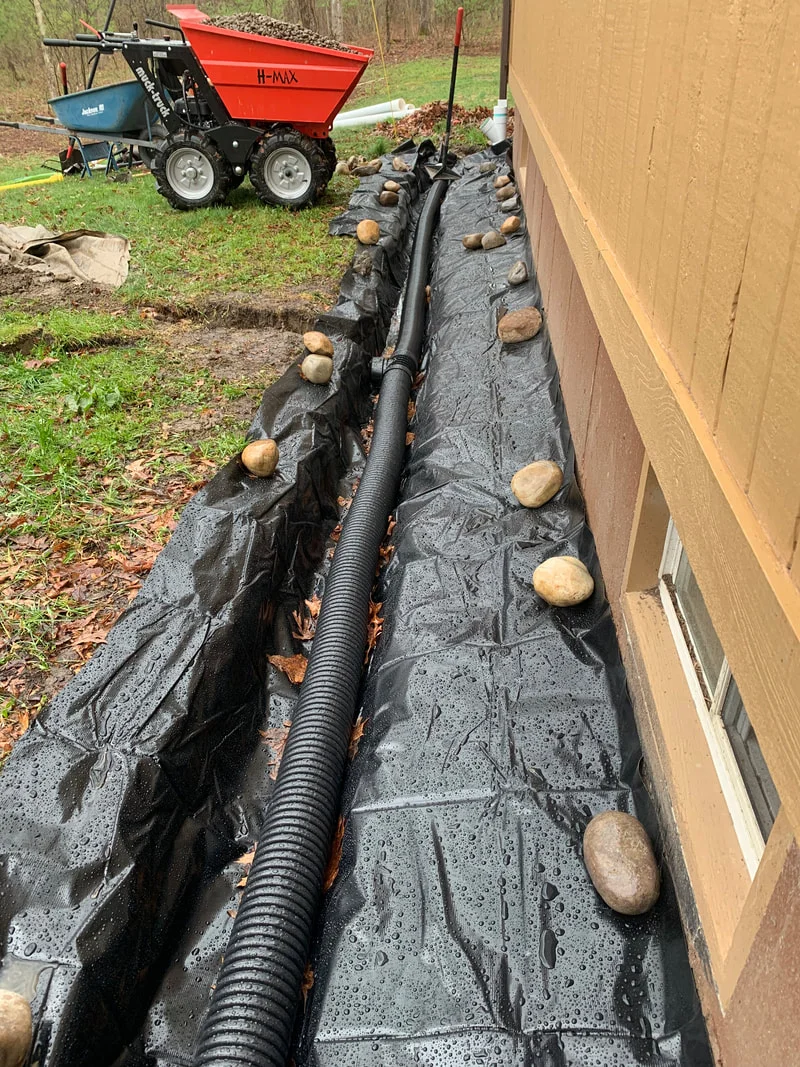
Memphis has a long history of flooding challenges that modern homeowners can learn from. Understanding the city's relationship with water - from Mississippi River floods to urban drainage overwhelm - provides valuable insights for protecting your property with appropriate drainage solutions.
🌊 Memphis and Water: A Complex History
Founded on the Mississippi River bluffs for protection from flooding, Memphis has always had a complex relationship with water. While the bluffs protect from river flooding, the city's geography and clay soil create unique urban drainage challenges that persist today.
Geographic Foundation of Memphis Flooding
The Strategic River Location
- Chickasaw Bluffs: Memphis sits on natural high ground above the Mississippi River
- Elevation advantage: The bluffs provide natural protection from river flooding
- Historical settlement: Native Americans and early settlers chose this location for flood safety
- Modern development: Growth beyond the original bluffs created new flood challenges
Natural Drainage Patterns
- Wolf River system: Historical drainage path through North Memphis
- Nonconnah Creek: Major drainage for South Memphis and surrounding areas
- Natural bayous: Original wetlands that provided flood storage
- Clay soil foundation: Poor natural drainage throughout the Memphis area
Major Historical Flooding Events
Mississippi River Floods
The Great Flood of 1927
- Regional impact: Most devastating Mississippi River flood in recorded history
- Memphis protection: The bluffs largely protected downtown Memphis
- Surrounding areas: Extensive flooding in West Memphis and river bottoms
- Infrastructure lessons: Led to improved federal flood control measures
1973 Mississippi River Flood
- Record river levels: Mississippi River reached historic heights
- Memphis response: City activated emergency flood protection measures
- Economic impact: River commerce and transportation significantly affected
- Modern infrastructure tested: Federal levee system proved effective
2011 Mississippi River Flood
- Recent memory: Most significant river flooding in modern Memphis history
- Mud Island affected: Popular recreation area flooded for months
- Regional evacuation: Thousands evacuated from surrounding counties
- Economic lessons: Demonstrated ongoing flood risks despite modern protection
Urban Drainage Floods
Flash Flooding Events
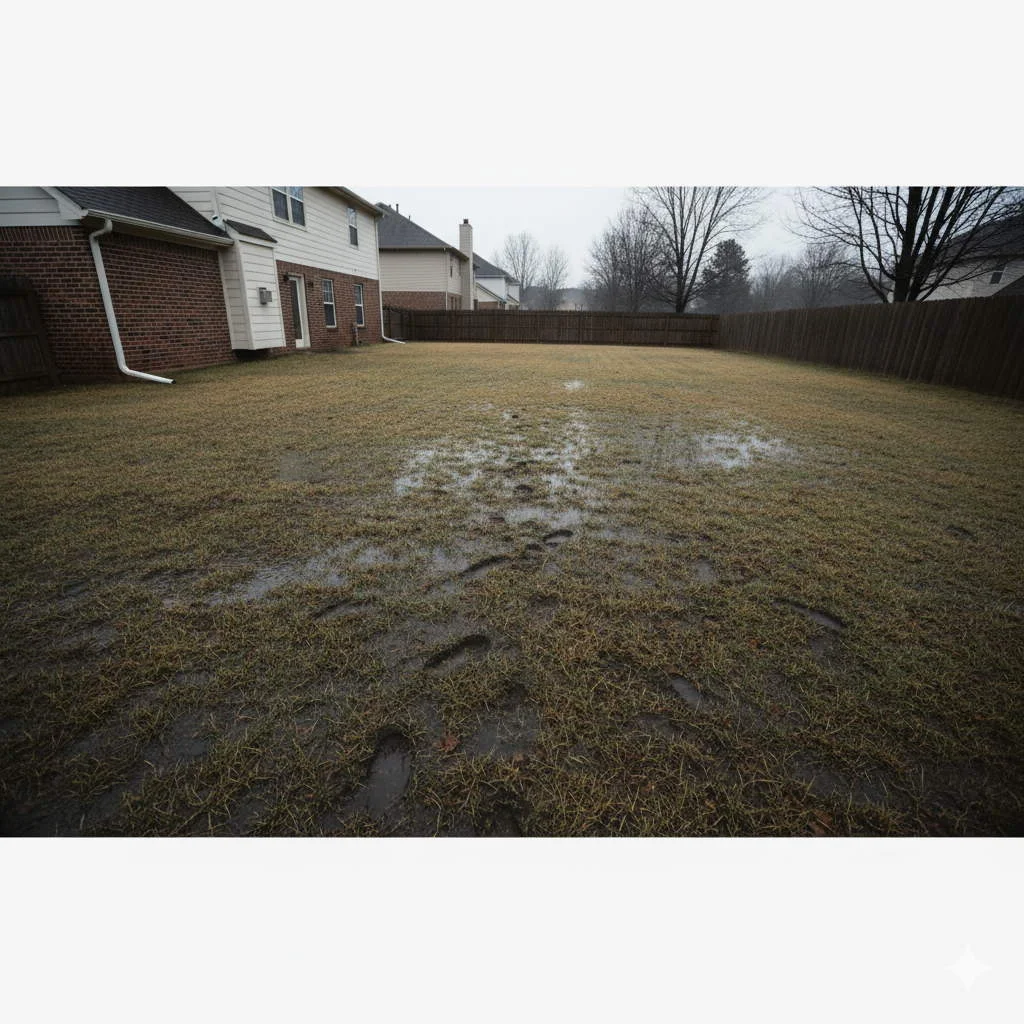
- Rapid onset: Memphis clay soil creates quick surface runoff
- Urban heat island effect: City development intensifies storm activity
- Infrastructure overwhelm: Storm sewer systems exceed capacity
- Basement flooding: Clay soil hydrostatic pressure affects foundations
Notable Storm Events
- May 2010 storms: Record rainfall caused widespread urban flooding
- April 2014 flooding: Flash floods closed major roads and flooded homes
- Summer 2015 events: Multiple severe storms overwhelmed drainage systems
- Recent severe weather: Increasing frequency of intense precipitation events
Development and Drainage Challenges
Historical Development Patterns
Early Memphis (1800s-1920s)
- Bluff development: Original city built on natural high ground
- Limited drainage systems: Basic gutters and natural drainage patterns
- Wetland preservation: Natural flood storage areas remained intact
- Agricultural surroundings: Undeveloped land provided natural water absorption
Mid-Century Expansion (1930s-1970s)
- Suburban growth: Development moved beyond natural flood protection
- Wetland filling: Natural flood storage areas developed
- Infrastructure lag: Drainage systems didn't keep pace with development
- Clay soil challenges: Builders learned about Memphis soil drainage issues
Modern Development (1980s-Present)
- Comprehensive planning: Better understanding of drainage requirements
- Improved building codes: Requirements for proper drainage systems
- Environmental awareness: Recognition of wetland importance
- Technology solutions: Modern pumps, materials, and design methods
Infrastructure Evolution
Early Drainage Systems
- Open ditches: Surface drainage channels through the city
- Basic storm sewers: Simple pipe systems for downtown areas
- Natural outlets: Drainage to Wolf River and other natural waterways
- Limited capacity: Systems designed for smaller populations and development
Modern Municipal Systems
- Comprehensive networks: Connected storm sewer systems throughout the city
- Pump stations: Mechanical systems to move water in flat areas
- Retention facilities: Engineered flood storage areas
- Regional coordination: Multi-jurisdictional drainage planning
⚠️ Lessons from Memphis Flooding History
- • Clay soil has always created drainage challenges in Memphis
- • Natural flood storage areas are critical for city-wide protection
- • Individual property drainage is essential regardless of municipal systems
- • Flooding risks increase with development and climate change
Understanding Modern Flood Risks
Current Flood Zone Classifications
FEMA Flood Zones in Memphis
- Zone A: High-risk areas near Wolf River and other waterways
- Zone AE: Detailed flood elevation data available
- Zone X: Moderate to low risk areas (most of Memphis)
- Shaded Zone X: Areas of minimal flood risk
Risk Factors Beyond Flood Zones
- Urban flooding: Flash floods can occur in any area regardless of zone
- Clay soil saturation: Basement flooding risk throughout Memphis
- Inadequate drainage: Individual property issues independent of regional risk
- Climate change effects: Increasing storm intensity beyond historical patterns
Changing Weather Patterns
Historical vs. Modern Precipitation
- Increased intensity: More frequent high-intensity rainfall events
- Seasonal shifts: Changing patterns of wet and dry periods
- Extreme events: Storms exceeding historical design parameters
- Urban heat effects: City development influences local weather patterns
Future Projections
- Climate models: Predict continued increase in extreme precipitation
- Infrastructure stress: Existing systems may become inadequate
- Adaptation needs: Property-level solutions become more important
- Investment priorities: Focus on resilient drainage solutions
Neighborhood-Specific Historical Patterns
Areas with Historical Flooding Issues
Low-Lying Neighborhoods
- Wolf River corridor: Areas near Wolf River have recurring flood risk
- Airport vicinity: Low elevation areas in Southeast Memphis
- Nonconnah Creek areas: South Memphis neighborhoods near creek systems
- Flat topography zones: Areas with minimal natural drainage grade
Problematic Development Areas
- Filled wetlands: Developments built on former swampland
- Cut-and-fill sites: Areas with altered topography during construction
- Clay pit developments: Former industrial sites with drainage challenges
- Rapid development zones: Areas where infrastructure lagged behind growth
Success Stories and Lessons Learned
Effective Historical Solutions
- Downtown drainage: Well-designed systems protect the central business district
- Levee systems: Federal flood protection along the Mississippi River
- Regional retention: Large-scale flood storage areas
- Natural preservation: Protected wetlands that provide flood benefits
Individual Property Successes
- Foundation drainage: Homes with proper perimeter drainage systems
- Sump pump installations: Effective basement flood prevention
- Landscape grading: Properties with appropriate slope management
- French drain systems: Successful yard drainage solutions
Modern Solutions Based on Historical Knowledge
Property-Level Flood Protection
Foundation Protection Systems
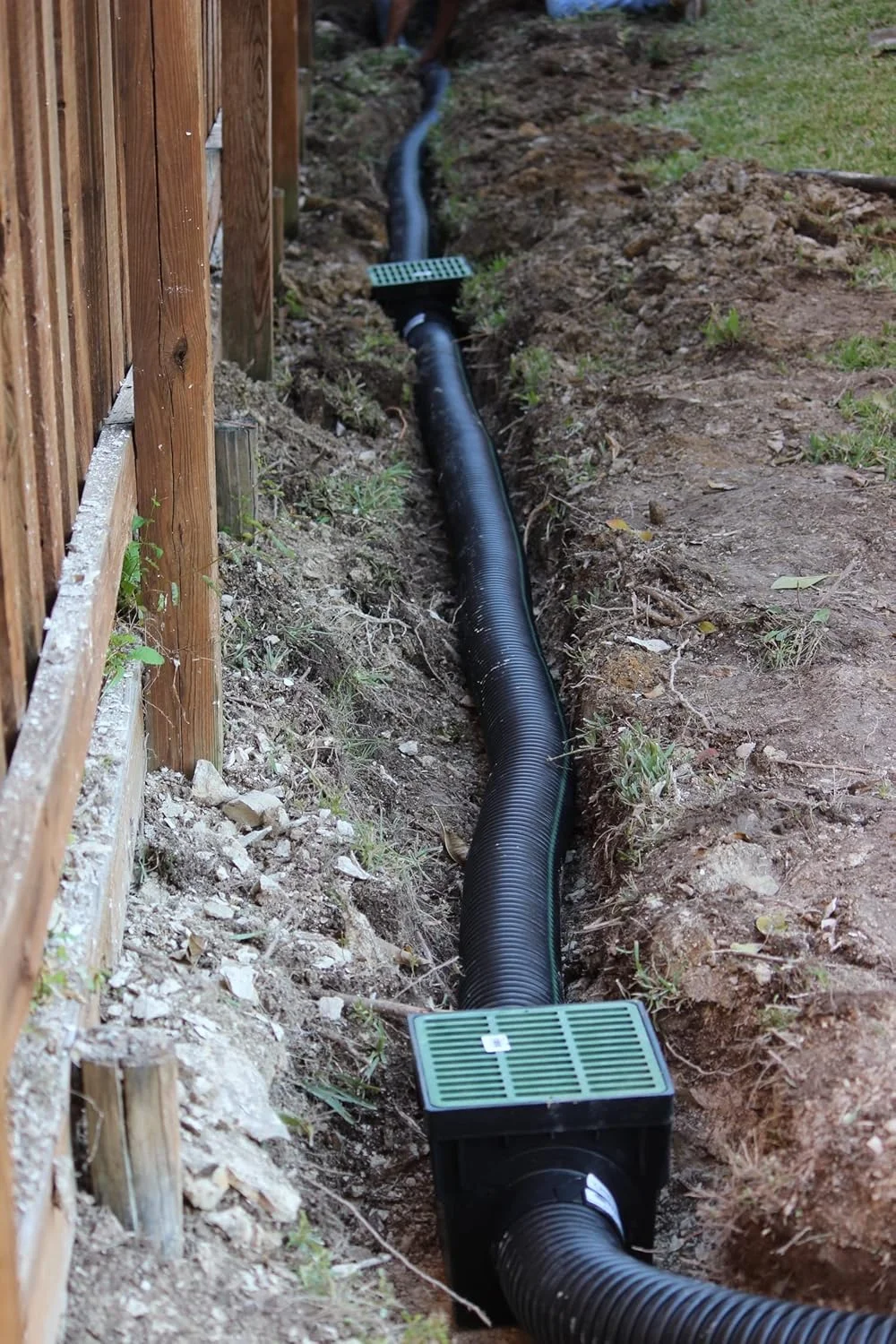
- Perimeter drainage: French drains based on understanding clay soil behavior
- Perimeter drainage systems: Modern materials for long-term foundation protection
- Sump pump technology: Reliable mechanical systems with backup power
- Grading solutions: Scientific approach to directing water away from structures
Surface Water Management
- Catch basin systems: Engineered collection and removal of surface water
- Retention areas: On-site flood storage during peak events
- Permeable surfaces: Materials that allow water infiltration
- Green infrastructure: Natural systems that provide flood benefits
Technology Advances
Modern Materials and Methods
- Drainage composite board: Superior water-shedding materials
- Efficient pumps: Reliable, high-capacity water removal systems
- Smart monitoring: Sensors and automated systems for early warning
- Durable pipes: Long-lasting drainage system components
Design Improvements
- Computer modeling: Accurate prediction of water flow and system performance
- Redundant systems: Multiple backup methods for critical protection
- Integrated solutions: Comprehensive approaches addressing all water sources
- Maintenance access: Systems designed for easy long-term service
Insurance and Regulatory Lessons
Insurance Evolution
Historical Coverage Issues
- Limited flood coverage: Standard homeowner policies traditionally excluded flooding
- Definition disputes: Disagreements over flood vs. water damage coverage
- Claim difficulties: Challenges in proving damages and causes
- Coverage gaps: Situations where no insurance protection existed
Modern Insurance Landscape
- NFIP flood insurance: Federal program providing flood coverage
- Private flood markets: Additional coverage options beyond federal programs
- Mitigation incentives: Discounts for properties with flood protection
- Documentation requirements: Importance of maintenance records
Building Code Evolution
Historical Standards
- Minimal requirements: Early codes had limited drainage provisions
- Reactive changes: Codes updated after major flooding events
- Inconsistent enforcement: Variable application of existing requirements
- Limited understanding: Incomplete knowledge of local soil conditions
Current Requirements
- Comprehensive drainage: Detailed requirements for water management
- Foundation protection: Specific provisions for perimeter drainage
- Grading standards: Required slopes for proper drainage
- Regular updates: Codes evolve with new knowledge and technology
✅ Historical Lessons for Modern Homeowners
Memphis flooding history teaches us:
- • Individual property protection is essential regardless of location
- • Clay soil drainage challenges are consistent throughout Memphis history
- • Modern technology provides better solutions than past generations had
- • Proactive protection is more cost-effective than reactive repairs
Planning for Future Flood Risks
Climate Adaptation Strategies
Increasing System Capacity
- Oversized systems: Designing for future intensity increases
- Redundant protection: Multiple systems for critical areas
- Adaptable designs: Systems that can be modified as needs change
- Regional coordination: Property solutions that support community protection
Resilient Infrastructure
- Durable materials: Components designed for long-term performance
- Easy maintenance: Systems accessible for regular service
- Smart technology: Automated monitoring and response capabilities
- Emergency preparedness: Backup systems and response plans
Community Preparation
Neighborhood-Level Solutions
- Coordinated drainage: Multiple properties working together
- Shared infrastructure: Community-owned flood protection systems
- Information sharing: Neighbors learning from each other's experiences
- Emergency response: Coordinated preparation and recovery efforts
Related guides:
Conclusion: Learning from the Past, Preparing for the Future
Memphis's flooding history provides valuable lessons for modern homeowners. The city's relationship with water has always been complex, from the protection offered by the river bluffs to the challenges created by clay soil and urban development.
Today's drainage technology and understanding far exceed what previous generations had available. Modern homeowners can learn from historical flooding patterns while taking advantage of advanced materials, design methods, and monitoring systems to protect their properties.
The key lesson from Memphis flooding history is clear: individual property protection is essential. While community and regional infrastructure provides important benefits, every Memphis homeowner should invest in appropriate drainage solutions based on their specific situation and the lessons learned from decades of local flooding experience.
Free Download
Not sure if your yard needs a French drain or catch basin?
Download our free Memphis Drainage Checklist — 7 signs your yard is silently damaging your foundation, with urgency ratings and what each sign means. Memphis-specific, no fluff.
No spam. Unsubscribe any time.
Is your yard showing any of these signs?
Tell us what's happening — we'll tell you exactly what it needs and what it costs. Most Memphis homeowners get an answer within minutes.