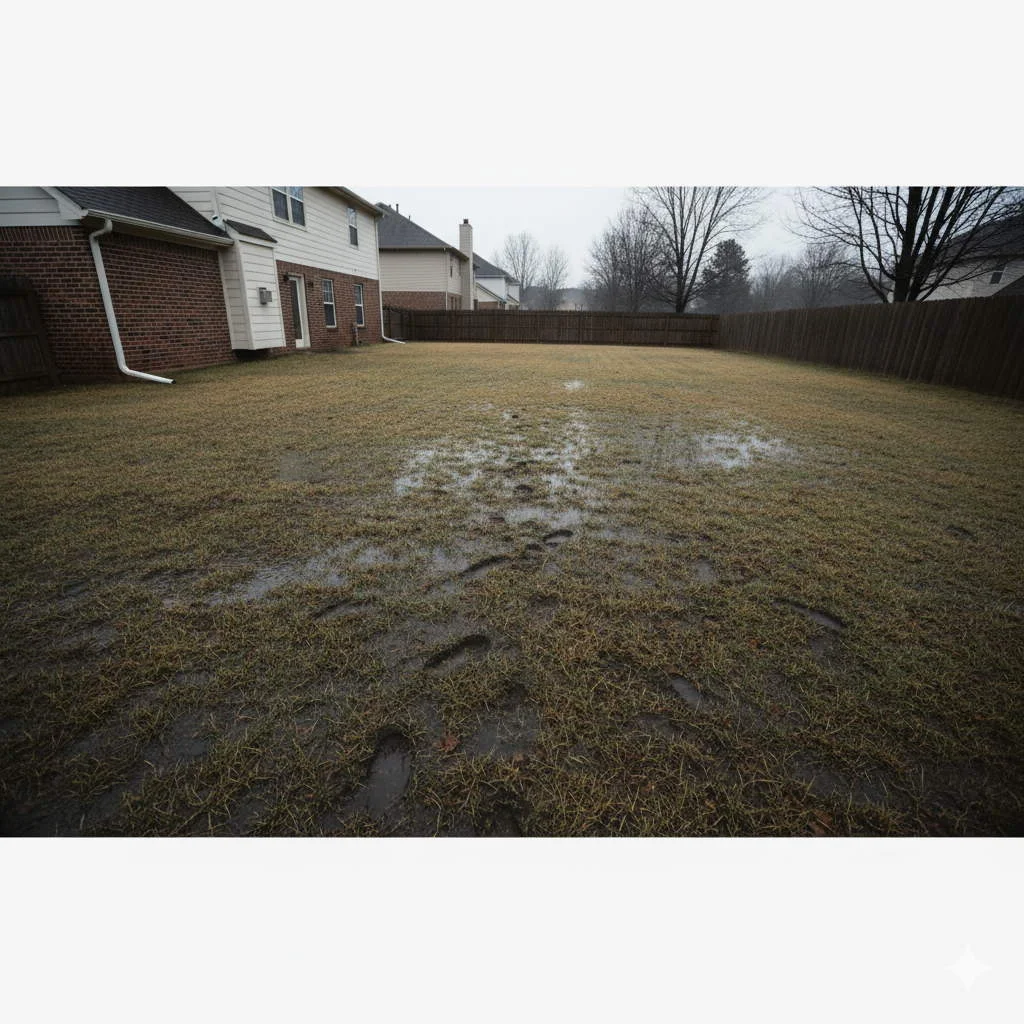
Memphis homeowners know the frustration of dealing with water problems in their yards. Between the city's dense clay soil and unpredictable weather patterns, yard drainage issues are incredibly common. The good news? Most drainage problems have effective solutions when you understand what you're dealing with.
🌧️ Why Memphis Yards Struggle with Drainage
Memphis sits on dense clay soil that acts like a bowl, holding water instead of allowing it to drain naturally. Combined with sudden heavy rains and humid conditions, this creates the perfect storm for yard drainage problems.
Problem #1: Standing Water and Puddles

What You'll See:
- Water pools that remain for days after rain
- Muddy areas that never seem to dry out
- Dead or yellowing grass in consistently wet spots
- Mosquito breeding areas in stagnant water
Why It Happens in Memphis:
Clay soil is the primary culprit. Memphis clay has extremely small particles that pack tightly together, creating an almost impermeable surface. When rain falls, it has nowhere to go and simply sits on top of the soil.
The Fix:
- French drain installation: Intercepts and redirects surface water
- Catch basin systems: Collects water from low-lying areas
- Soil amendment: Mix sand and organic matter into clay soil
- Re-grading: Create slopes that direct water away from problem areas
DIY vs. Professional Solution:
Small puddles can often be addressed with soil amendments and minor grading. However, persistent standing water typically requires professional drainage systems. The investment in proper drainage pays off in healthier landscaping and eliminated mosquito problems.
Problem #2: Foundation Water Damage

What You'll See:
- Water pooling against the house foundation
- Basement moisture or flooding
- Cracks appearing in foundation walls
- Efflorescence (white chalky residue) on basement walls
Why It's Dangerous:
Memphis clay soil creates hydrostatic pressure against foundations when saturated. This pressure can cause foundation cracks, basement flooding, and expensive structural damage. Foundation repairs in Memphis typically cost $5,000-$25,000 when problems are ignored.
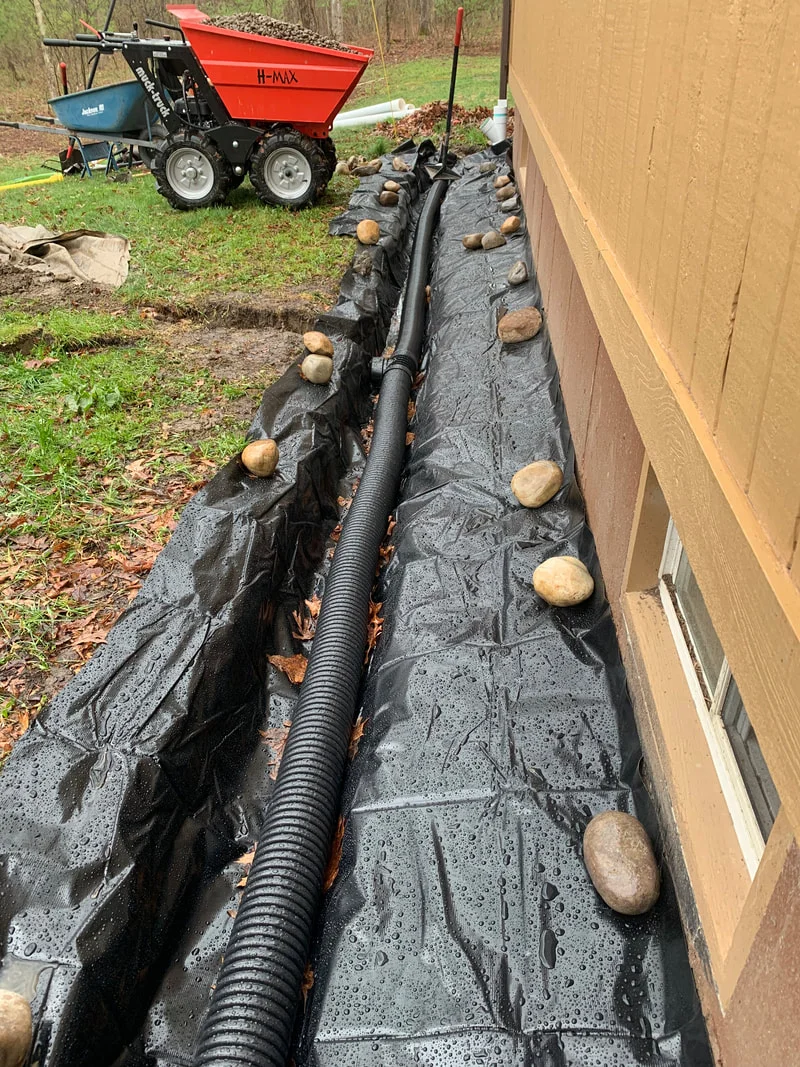
The Fix:
- Foundation perimeter drainage: French drains around the house perimeter
- Proper grading: Slope soil away from foundation (6-inch drop over 10 feet)
- Gutter and downspout optimization: Direct roof water far from foundation
- Foundation drainage: Professional perimeter drain and gravel bed installation
Emergency Action:
If you notice water against your foundation, act immediately. Redirect water sources, improve drainage, and consider temporary pumping solutions while planning permanent fixes. Foundation damage only gets worse with time.
Problem #3: Soggy, Unusable Lawn Areas
What You'll See:
- Grass that dies in wet areas
- Moss growth instead of healthy turf
- Spongy, waterlogged soil when walking
- Areas that can't be mowed for days after rain
Impact on Your Property:
Soggy lawns reduce your usable outdoor space and create unsightly dead zones. Poor drainage also leads to thatch buildup, disease problems, and insect issues that can spread to healthy areas of your lawn.
The Fix:
- Subsurface drainage: French drains beneath problem areas
- Aeration and overseeding: Improve soil structure and grass density
- Raised planting areas: Create elevated zones for better drainage
- Permeable hardscaping: Patios and paths that allow water infiltration
Grass Selection for Memphis:
Choose grass varieties that tolerate wet conditions better, such as tall fescue or zoysia. These grasses have deeper root systems that help improve soil drainage naturally over time.
Problem #4: Erosion and Slope Instability
What You'll See:
- Soil washing away during heavy rains
- Gullies forming in sloped areas
- Exposed tree roots from soil erosion
- Sediment collecting in unwanted areas
Memphis-Specific Challenges:
Clay soil becomes very slippery when wet, making slopes unstable. Heavy Memphis thunderstorms can quickly wash away topsoil, creating erosion problems that worsen with each rain event.
⚠️ Erosion Warning Signs
Memphis slopes are particularly vulnerable during spring storms. Watch for small rills (tiny channels) in your yard - these quickly become major erosion problems without intervention.
The Fix:
- Terracing: Create level planting areas on slopes
- Retaining walls: Hold soil in place while managing drainage
- Erosion control fabric: Temporary protection while vegetation establishes
- Strategic plantings: Deep-rooted plants that stabilize soil
Best Plants for Memphis Erosion Control:
- Native grasses: Buffalo grass and little bluestem
- Groundcovers: Vinca minor and Asian jasmine
- Shrubs: Spirea and native azaleas
- Trees: Red oak and bald cypress for larger areas
Problem #5: Overwhelmed Drainage Systems
What You'll See:
- Gutters overflowing during moderate rain
- Downspouts backing up or not draining
- Water damage near roof lines
- Landscape flooding from roof runoff
Memphis Rainfall Intensity:
Memphis receives about 54 inches of rainfall annually, often in intense bursts. A typical Memphis thunderstorm can drop 2-4 inches in an hour, overwhelming undersized or clogged drainage systems.
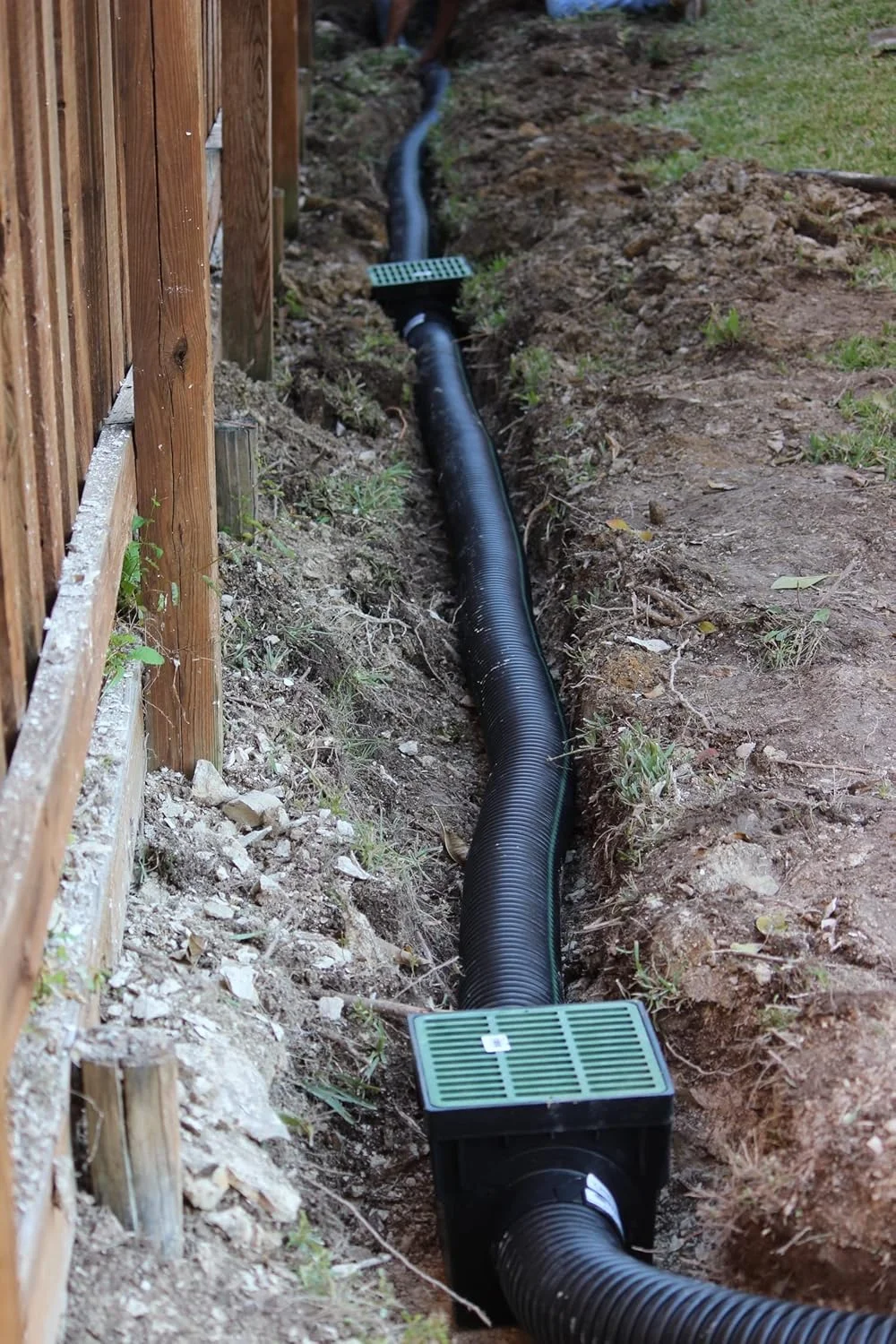
The Fix:
- Gutter sizing upgrade: Install 6-inch gutters for Memphis rainfall
- Downspout extensions: Carry water at least 10 feet from foundation
- Underground drainage: Connect downspouts to French drain systems
- Regular maintenance: Clean gutters quarterly to prevent clogs
Calculating Your Needs:
A 1,000 square foot roof area can generate over 600 gallons of water from just one inch of rain. Memphis homes often need larger capacity systems than standard installations to handle storm intensity.
Creating a Comprehensive Drainage Plan
Assessing Your Property
- Walk your property during rain: See exactly where water goes
- Check soil composition: Test drainage rates in different areas
- Map problem zones: Document recurring wet areas
- Consider future changes: Plan for landscaping and home additions
Prioritizing Solutions
- Foundation protection first: Address water against the house immediately
- Major pooling areas: Eliminate standing water health hazards
- Erosion control: Prevent soil loss and slope instability
- Lawn improvement: Restore unusable areas to healthy turf
- System optimization: Upgrade gutters and downspouts
Working with Memphis Drainage Professionals
Complex drainage problems often require professional assessment and installation. Look for contractors who:
- Have specific experience with Memphis clay soil
- Can provide references from local projects
- Understand local permitting requirements
- Offer warranties on their drainage work
Maintenance for Long-Term Success
Seasonal Checklist
- Spring: Inspect and clean all drainage systems after winter
- Summer: Monitor plant growth around drainage areas
- Fall: Clean gutters and remove debris from drain inlets
- Winter: Check for ice damage and frozen drain lines
Signs Your System Needs Attention
- Slower drainage than when system was new
- New wet areas appearing in previously dry zones
- Unusual odors from drain outlets
- Visible settling or movement around drainage structures
✅ Investment Protection
Proper drainage systems protect your property investment:
- • Prevents expensive foundation repairs
- • Eliminates recurring landscape damage
- • Increases usable outdoor space
- • Improves property value and curb appeal
Cost Considerations for Memphis Drainage Solutions
DIY Solutions
- Soil amendments: $200-500 for small areas
- Gutter cleaning and minor repairs: $150-300
- Downspout extensions: $50-150 per downspout
- Basic re-grading: $300-800 for small areas
Professional Installation
- French drain systems: $3,000-8,000 depending on length
- Catch basin installation: $1,500-3,500 per basin
- Foundation drainage: $5,000-15,000 for full perimeter
- Comprehensive yard drainage: $8,000-25,000 for complete systems
Related guides:
- French drain vs. catch basin — which is right for your Memphis yard? →
- French drain installation in Memphis — costs, process, and warranty →
- Catch basin installation — starting at $500, same-week scheduling →
- Landscape grading — fix the slope that keeps sending water back at the house →
- Downspout drainage — stop roof runoff dumping at the foundation →
Conclusion: Take Action Before Problems Worsen
Memphis yard drainage problems rarely resolve themselves. Clay soil conditions and severe weather patterns mean that small issues quickly become expensive problems. Whether you tackle simple solutions yourself or invest in professional drainage systems, addressing these five common problems protects your property and improves your quality of life.
Remember that drainage is an investment, not an expense. Proper systems prevent foundation damage, eliminate mosquito breeding areas, restore unusable lawn space, and increase your property value. The key is matching the right solution to your specific problem and Memphis soil conditions.
Free Download
Not sure if your yard needs a French drain or catch basin?
Download our free Memphis Drainage Checklist — 7 signs your yard is silently damaging your foundation, with urgency ratings and what each sign means. Memphis-specific, no fluff.
No spam. Unsubscribe any time.
Is your yard showing any of these signs?
Tell us what's happening — we'll tell you exactly what it needs and what it costs. Most Memphis homeowners get an answer within minutes.