Spring in Memphis brings intense storms, heavy rainfall, and the highest risk of drainage system overwhelm. Proper preparation before storm season arrives can prevent thousands of dollars in water damage and give you peace of mind through the most challenging weather months.
🌩️ Memphis Spring Storm Reality
Memphis typically experiences its most severe weather from March through June, with storms capable of dropping 2-4 inches of rain in a single hour. Spring preparation isn't optional - it's essential protection for your property.
Understanding Memphis Spring Weather Patterns
Peak Storm Season Timeline
- March: Storm season begins, systems become active
- April-May: Peak storm activity with the most severe weather
- June: Continued storm risk with high humidity
- July-August: Heat-driven thunderstorms with intense but shorter duration
Rainfall Intensity Challenges
- Sudden downpours: Systems can overwhelm even well-designed drainage
- Clay soil saturation: Memphis clay becomes impermeable when wet
- Extended wet periods: Multiple storm systems can create prolonged saturation
- Flash flooding potential: Urban runoff compounds natural drainage challenges
Essential Spring Drainage Preparation Checklist
February-March: Early Preparation Phase
Visual System Inspection
- Walk your property: Look for winter damage or new problem areas
- Check French drain outlets: Ensure they're clear and flowing properly
- Inspect catch basins: Remove debris and check for damage
- Examine foundation areas: Look for new cracks or settlement
Gutter and Downspout Service
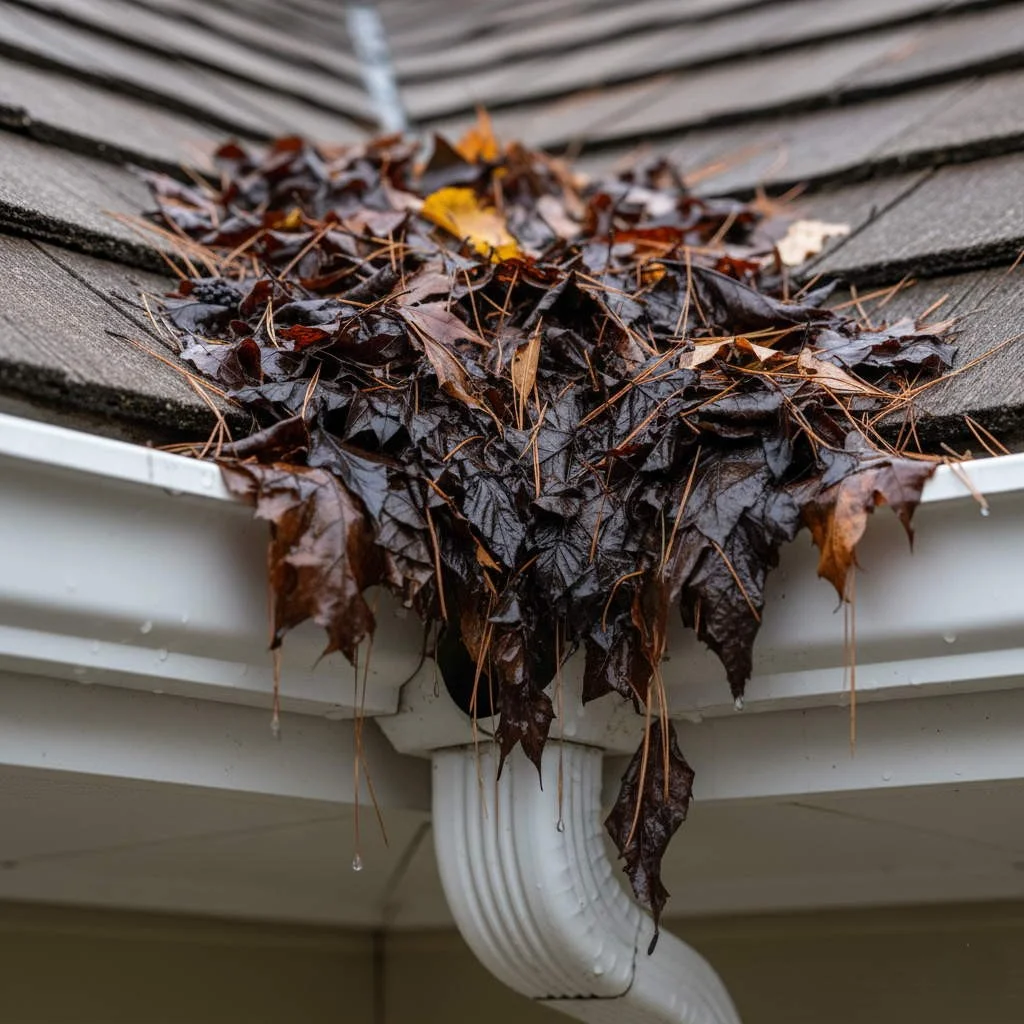
- Clean all gutters: Remove winter debris, leaves, and sediment
- Test downspout flow: Ensure water moves freely through entire system
- Check gutter slopes: Verify proper drainage toward downspouts
- Inspect downspout extensions: Ensure they direct water away from foundation
Sump Pump Testing
- Monthly operation test: Pour water into pit to activate pump
- Battery backup check: Test backup system and replace battery if needed
- Alarm system verification: Ensure warning systems function properly
- Discharge line inspection: Check for clogs or freeze damage
March-April: Active Preparation Phase
Deep System Cleaning
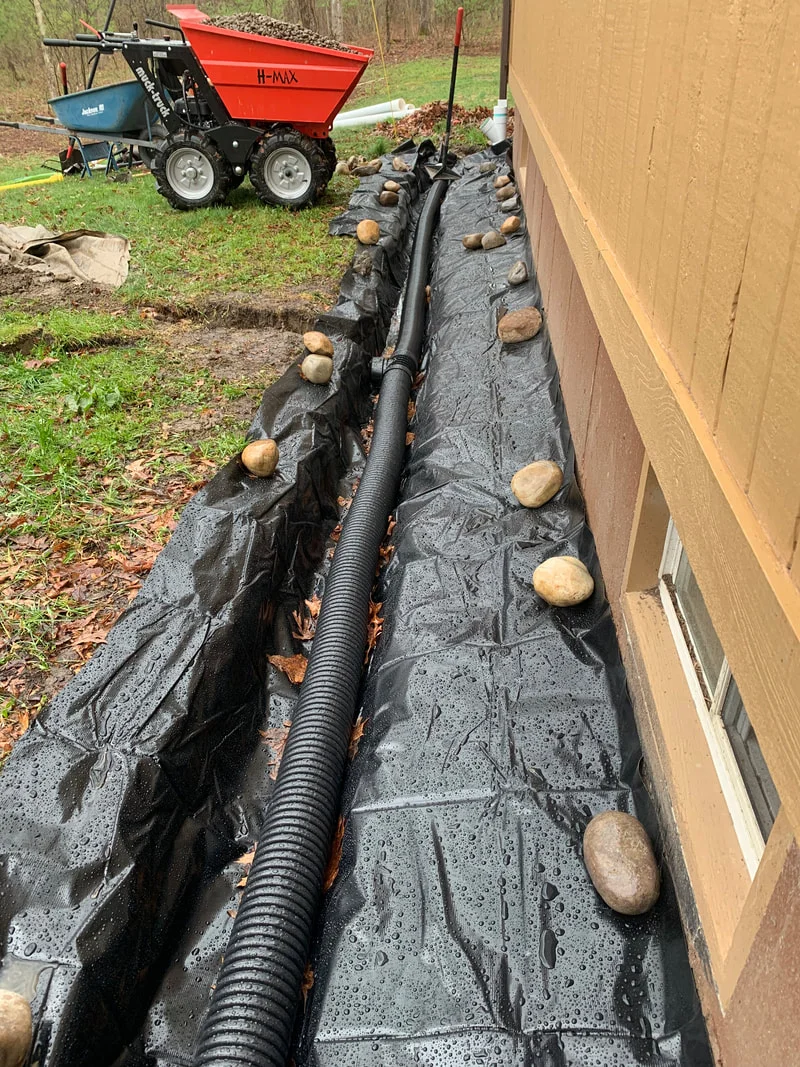
- French drain flushing: Professional cleaning to remove sediment buildup
- Catch basin pumping: Remove accumulated debris and standing water
- Storm drain connection check: Verify municipal connections are clear
- Pipe inspection: Camera inspection of underground drainage lines
Landscape Drainage Assessment
- Grade verification: Ensure soil slopes away from foundation
- Mulch and plant management: Prevent organic material from clogging drains
- Tree root evaluation: Check for root intrusion in drainage lines
- Erosion control: Address any new erosion problems from winter
Emergency Preparedness
- Contact list update: Ensure you have emergency contractor numbers
- Supply inventory: Stock sandbags, tarps, and emergency pumps
- Insurance review: Verify coverage and update property documentation
- Family emergency plan: Everyone knows what to do during severe weather
System-Specific Preparation Tasks
French Drain Maintenance
Pre-Storm Season Service
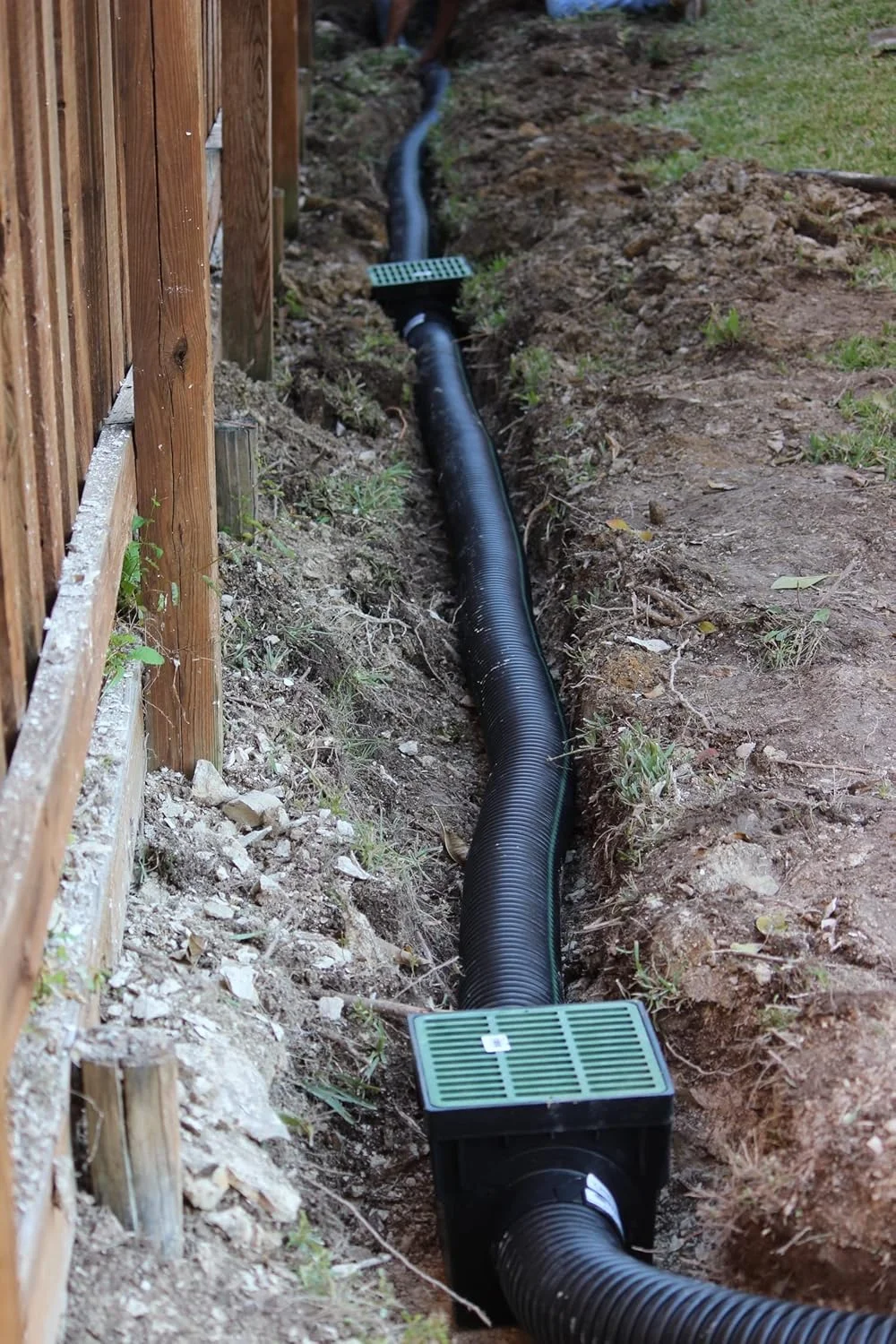
- Inlet cleaning: Remove debris from drain openings and grates
- Flow testing: Water test to verify proper drainage rates
- Sediment removal: Professional flushing if flow is reduced
- Outlet inspection: Ensure discharge points are clear and functioning
Performance Optimization
- Grade checking: Verify proper slopes throughout the system
- Cover replacement: Install or repair protective covers over inlets
- Landscape management: Trim vegetation away from drain components
- Connection verification: Check all joints and connections for integrity
Foundation Drainage
Exterior System Checks
- Drain line inspection: Look for crushed or blocked perimeter pipe
- Drainage board condition: Ensure protection boards are intact
- Backfill assessment: Check for settling or erosion around foundation
- Seal integrity: Inspect caulks and sealants around foundation
Interior System Maintenance
- Sump pit cleaning: Remove debris and test float switches
- Perimeter drain inspection: Verify exterior perimeter drains are flowing
- Outlet check: Ensure daylight outlets are clear and flowing
- Dehumidifier service: Clean and test humidity control systems
💡 Memphis Spring Preparation Timeline
Follow this schedule for optimal storm season readiness:
- • February: Schedule professional inspections and service
- • Early March: Complete major maintenance and repairs
- • Late March: Final testing and emergency preparation
- • April: Monitor system performance and address any issues
Professional Service Recommendations
Annual Professional Inspection
- Comprehensive system evaluation: Professional assessment of all drainage components
- Performance testing: Flow rates and capacity verification
- Preventive maintenance: Cleaning and adjustments before problems develop
- Improvement recommendations: Suggestions for system upgrades or modifications
When to Call Professionals
- Reduced drainage performance: Systems not working as effectively as previous years
- New water problems: Issues that didn't exist in previous storm seasons
- System damage: Any visible damage to drainage components
- Capacity concerns: Worry that current systems may be inadequate
Emergency Service Preparation
- Pre-arranged service: Establish relationship with drainage contractor before emergencies
- Priority service agreements: Ensure quick response during peak demand periods
- Emergency contact information: Keep contractor numbers easily accessible
- Service history documentation: Maintain records for quick problem diagnosis
Property-Specific Preparation Strategies
High-Risk Properties
Basement or Lower-Level Homes
- Multiple backup systems: Primary and secondary sump pumps
- Power backup solutions: Battery or generator backup for pump systems
- Water detection alarms: Early warning for water intrusion
- Emergency evacuation plan: Moving valuable items before storms
Low-Lying Areas
- Enhanced capacity systems: Larger pumps and drainage lines
- Retention area preparation: Temporary water storage during peak events
- Flood barrier supplies: Sandbags and water diversion materials
- Evacuation planning: Routes and procedures for severe flooding
Standard Risk Properties
Elevated Homes
- Erosion prevention: Protect slopes and prevent soil loss
- Runoff management: Control water flow to protect neighboring properties
- Foundation protection: Prevent water infiltration despite elevation
- Landscape preservation: Maintain valuable landscaping during storms
Storm Season Monitoring and Response
Weather Monitoring
- Reliable weather alerts: Multiple sources for storm warnings
- Radar monitoring: Track approaching storms and intensity
- Rainfall measurement: Monitor accumulated precipitation
- Flood warning awareness: Understand local flood alert systems
During Storm Events
- System monitoring: Check drainage performance during rain
- Problem identification: Spot issues early while they can be addressed
- Emergency response: Know when to call for help
- Safety priorities: Never risk personal safety for property protection
Post-Storm Assessment
- Damage evaluation: Check all systems after severe weather
- Performance review: Assess how systems handled the storm
- Immediate repairs: Address any damage before the next event
- Documentation: Record issues for insurance and future planning
Budget Planning for Spring Preparation
DIY Maintenance Costs
- Basic supplies: $100-300 for cleaning materials and minor repairs
- Gutter cleaning: $150-400 if hiring professionals
- Sump pump battery: $50-150 for replacement battery
- Emergency supplies: $200-500 for sandbags, tarps, and emergency equipment
Professional Service Investment
- Annual inspection: $200-500 for comprehensive system evaluation
- Professional cleaning: $300-800 for drain flushing and maintenance
- System repairs: $500-2,000 for addressing identified issues
- Emergency service: $1,000-5,000 for storm-related repairs
Return on Investment
- Damage prevention: $500 in maintenance prevents $10,000+ in flood damage
- System longevity: Proper maintenance extends drainage system life
- Insurance benefits: Documented maintenance may reduce premiums
- Peace of mind: Confidence during severe weather events
✅ Spring Preparation Success Factors
Successful spring preparation includes:
- • Early planning and system evaluation
- • Professional inspection and maintenance
- • Emergency preparedness and supply planning
- • Ongoing monitoring and rapid response capability
Long-Term System Improvement Planning
Capacity Upgrades
- System expansion: Adding drainage capacity for growing storm intensity
- Technology improvements: Smart monitoring and automated systems
- Backup system enhancement: Better redundancy for critical areas
- Integration opportunities: Connecting multiple drainage elements
Preventive Improvements
- Landscape modifications: Changes that improve natural drainage
- Hardscape upgrades: Permeable surfaces and better water management
- Foundation enhancements: Additional protection for basement areas
- Technology integration: Sensors and automated monitoring systems
Related guides:
- French drain installation in Memphis — what the process looks like and what it costs →
- Sump pump maintenance guide for Memphis homeowners →
- 5 common Memphis yard drainage problems and how to fix them →
- Sump pump discharge — route pump output away before storm season →
- Downspout drainage — the cheapest fix that prevents the most damage →
Conclusion: Be Ready for Memphis Spring Storms
Spring preparation is your best defense against Memphis storm season challenges. The combination of proper maintenance, professional service, and emergency readiness provides comprehensive protection for your property and peace of mind for your family.
Don't wait until the first severe weather warning to discover your drainage systems aren't ready. Start your spring preparation early, address any issues promptly, and ensure your Memphis home is protected throughout storm season.
Remember that effective drainage preparation is an investment in your property's protection and your family's safety. The time and money spent on spring preparation prevents much larger costs and stress during severe weather events.
Free Download
Not sure if your yard needs a French drain or catch basin?
Download our free Memphis Drainage Checklist — 7 signs your yard is silently damaging your foundation, with urgency ratings and what each sign means. Memphis-specific, no fluff.
No spam. Unsubscribe any time.
Is your yard showing any of these signs?
Tell us what's happening — we'll tell you exactly what it needs and what it costs. Most Memphis homeowners get an answer within minutes.